

Image generation was just the start. The same underlying idea — describe what you want, let AI produce a first version — now extends to video, music, voice, and entire presentations.
Text-to-video tools take a written description (or a still image) and generate a short video clip, extending the diffusion ideas from image generation across time as well as space. Current tools are strongest for short clips — a few seconds to under a minute — rather than long-form video, and results are improving quickly but still benefit from a human editing pass rather than being used completely unreviewed.
Describe a mood, genre, and use case ("upbeat background music for a product demo video, 30 seconds, no vocals") and AI music tools generate an original track. This is genuinely useful for background music in videos and presentations where royalty-free stock music feels generic — but check the specific tool's licence terms before using generated music in anything commercial, exactly the same caution as with generated images.
AI voice tools can read written text aloud in a natural-sounding voice, or clone a specific voice from a short sample recording. Legitimate uses include narrating videos, accessibility (reading content aloud for visually impaired users), and multi-language dubbing. Voice cloning specifically carries real ethical weight — using someone's voice without their consent is a genuine harm, covered properly in this section's lesson on deepfakes.
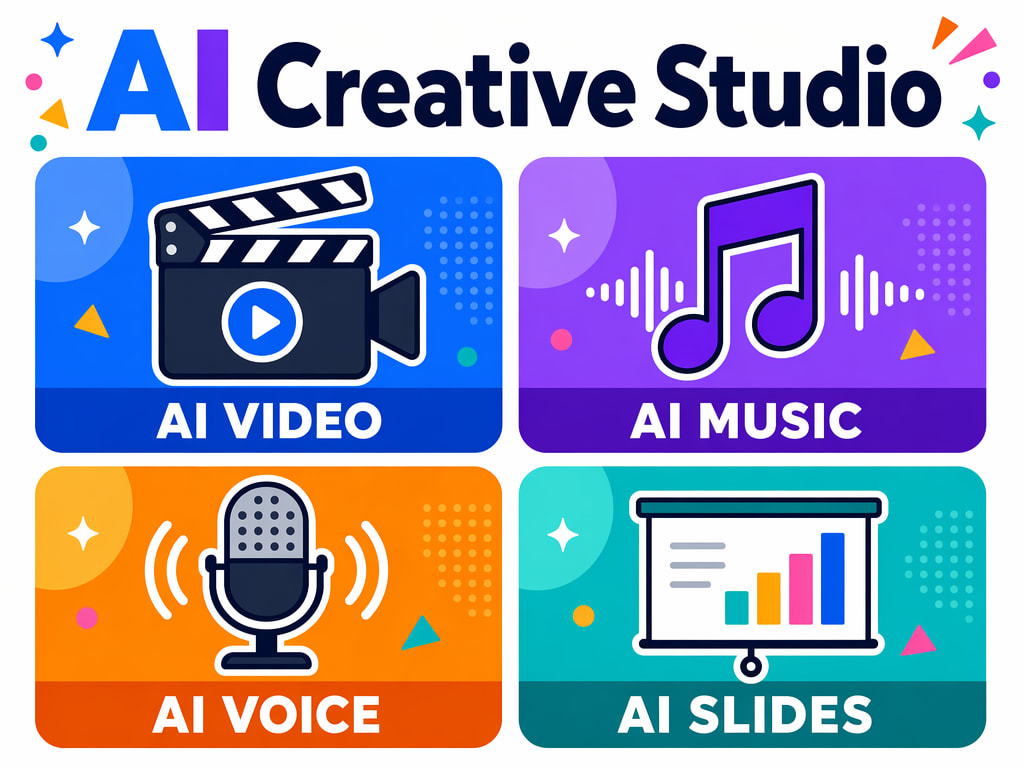
Describe a topic and audience, and presentation-generation tools produce a full slide deck — structure, content, and design — in minutes instead of hours. This is one of the highest-value everyday time savers in this whole lesson: a rough first draft of a 10-slide deck that would otherwise take an hour of formatting work becomes a starting point you finish in ten minutes.
The Same Rule, Every Time
The pattern across every tool in this lesson is the same: AI gives you a strong, fast first draft — you still review, adjust, and add the judgment only a person can bring. Treat "AI made it" as the start of the work, not the end of it.
You've now covered AI's everyday and creative uses broadly. The next three lessons shift toward the technical side — how developers actually build with AI, starting with coding assistants.