

You can build a fast, well-designed, genuinely useful website and have almost nobody visit it. Building a site and being found are two separate problems. SEO — search engine optimization — is the work of solving the second one.
When someone types a question into a search engine, the engine picks a handful of pages out of billions and puts them in an order. SEO is everything you do to make your pages eligible for that list, and to help them place well in it.
It is not a trick, and it is not a setting you switch on. It is a collection of ordinary, mostly unglamorous decisions — what your page is about, how it is structured, whether it loads, whether anything links to it — that together determine whether a search engine can understand your page well enough to show it to anyone.
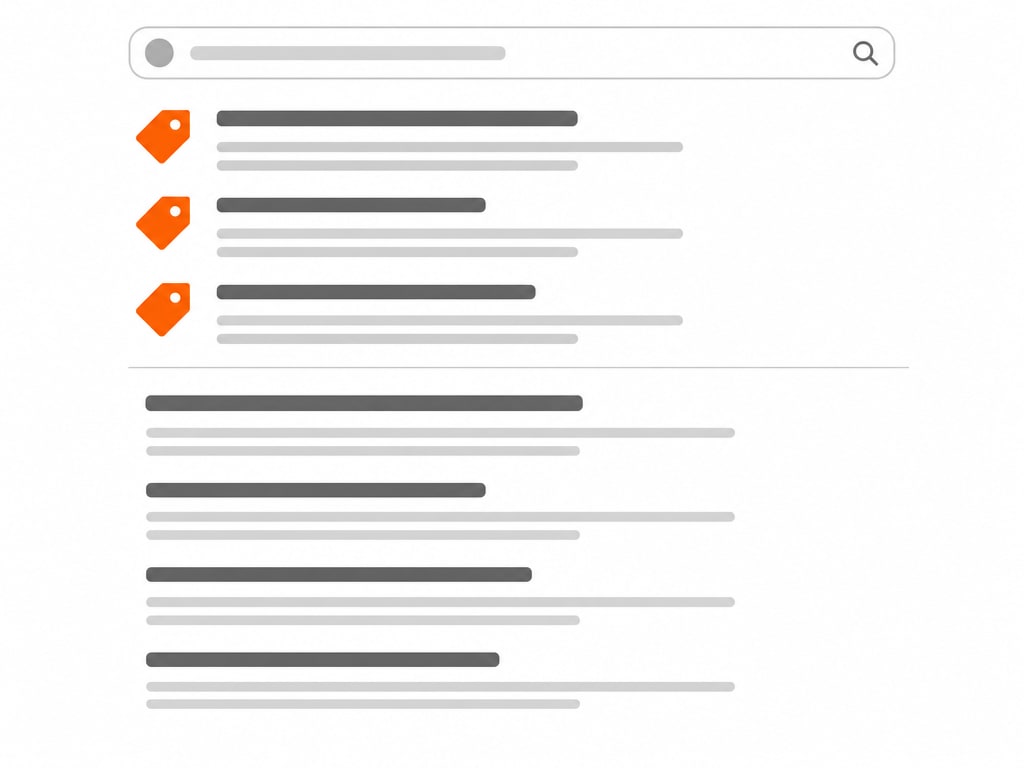
A search results page usually mixes two very different things.
| Organic results | Paid results (ads) | |
|---|---|---|
| How you get there | Earned — the engine chose your page | Bought — you paid for the placement |
| Cost per visitor | No direct cost | You pay each time someone clicks |
| How fast it works | Slow — weeks to months | Immediately, as soon as the ad runs |
| What happens when you stop | Traffic continues | Traffic stops the same day |
This course is entirely about the organic side. Ads are covered separately in the Digital Marketing course.
Organic search traffic has a property nothing else does: it compounds and it persists. A page that ranks well keeps bringing visitors months or years after you wrote it, without further spending. That is a very different economic shape from advertising, where traffic stops the moment the budget does.
It also matters because search is how most people look for things they do not already know about. Someone who already knows your business will type your name. Everyone else types a description of their problem — and whether you appear for that is decided by SEO.
Being honest about the limits up front saves a lot of wasted effort:
The one idea to keep
A useful frame for the whole course: search engines are trying to answer a question well. Almost everything that works in SEO works because it helps them do that — and almost everything that stops working was a way of appearing to help while not actually doing so.
The next lesson covers how search engines actually work, because nearly every later decision follows from that. After that: finding what people search for, the on-page work (titles, headings, content, links), the technical layer (sitemaps, canonicals, structured data, speed), the tools that show you what is happening, and finally the off-page and local dimensions.